Biochar: A Scalable Path to Long-Term Carbon Removal
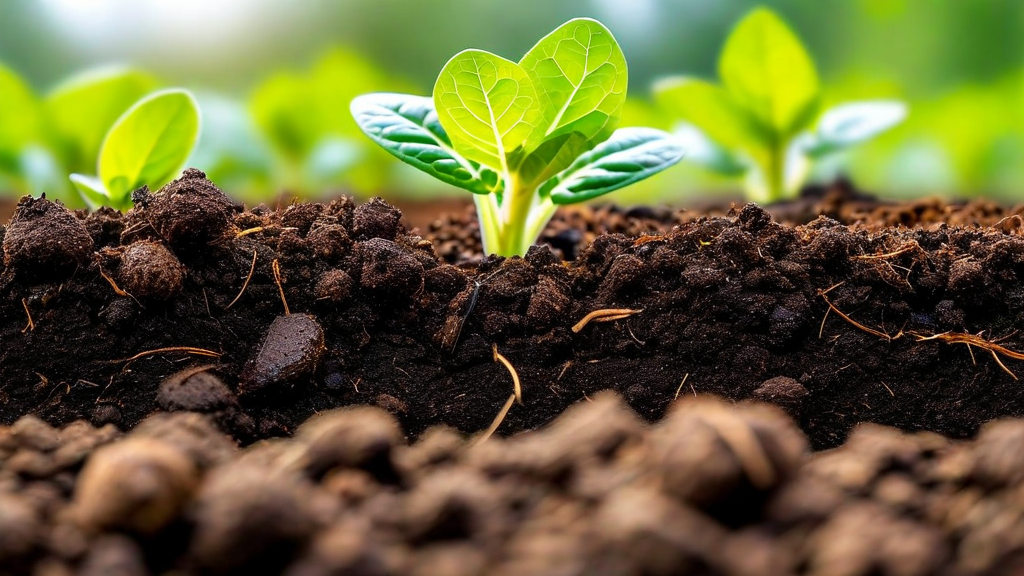
Among the growing toolkit of carbon removal approaches, biochar occupies a distinctive position: it is simultaneously ancient and modern, biological and engineered, inexpensive and verifiable. The practice of incorporating charred organic matter into soil dates back at least 2,000 years to the Amazonian civilizations that created terra preta — the famous "dark earth" anthropogenic soils that remain extraordinarily fertile and carbon-rich today, millennia after they were created. Modern biochar production applies contemporary thermochemical engineering to this ancient insight, producing a material that can sequester carbon for hundreds to thousands of years while improving soil health, reducing fertilizer requirements, and suppressing agricultural emissions of nitrous oxide.
As a carbon removal pathway, biochar has several attributes that make it particularly attractive. The carbon accounting is relatively tractable: the carbon content of biochar can be measured directly, its stability in soil is well-characterized for different production temperatures and feedstock types, and the counterfactual (what would have happened to the biomass without pyrolysis) is usually clear. The production technology is commercially available and deployable at a range of scales, from small farm-based kilns to large industrial pyrolysis facilities. And the economic model has multiple revenue streams: biochar commands premium prices as a soil amendment product, captures energy value in the production process, and generates carbon credits that provide additional income. This multi-revenue structure makes biochar projects more economically robust than single-revenue carbon removal approaches.
The Chemistry of Biochar Production and Stability
Biochar is produced through pyrolysis — the thermal decomposition of organic matter in the absence of oxygen. When biomass (agricultural residues, wood waste, sewage sludge, food processing waste, and many other feedstocks) is heated to temperatures between 300°C and 700°C without combustion, the organic compounds in the biomass are chemically restructured into a carbon-rich, aromatic polymer matrix that is highly resistant to biological degradation. The key chemical transformation is the conversion of labile, easily decomposable organic carbon — sugars, cellulose, lignin — into recalcitrant aromatic carbon structures, particularly condensed polycyclic aromatic carbon (PyC), that soil microorganisms cannot readily break down.
The stability of biochar in soil depends strongly on production temperature, or "highest treatment temperature" (HTT). Higher HTT produces biochar with higher aromaticity, lower H/C atomic ratios, and greater resistance to oxidation and microbial attack. Biochar produced at temperatures above 500°C typically has a mean residence time in soil on the order of hundreds to thousands of years, depending on soil conditions. Lower-temperature biochar (300–400°C) is less stable but retains more of the biomass's nutrient value, making it more agronomically valuable in some contexts. The biochar quality standards developed by the European Biochar Certificate (EBC) and the International Biochar Initiative (IBI) characterize biochar quality using the H/Corg ratio as a stability proxy, with H/Corg below 0.7 indicating sufficient stability for carbon credit issuance under leading standards like Puro.earth.
Quantifying the Carbon Benefit: From Feedstock to Credit
The carbon accounting for biochar involves tracing the carbon through the entire production and application chain. The starting point is the feedstock biomass, which contains a specific quantity of carbon (typically 40–55% by dry weight for most plant-based feedstocks). When this biomass would otherwise have decomposed in a field or landfill, that carbon would have returned to the atmosphere as CO2 or methane over a timescale of months to decades. The carbon removal benefit of biochar production is the difference between this "business as usual" decomposition pathway and the stable carbon sequestered in the applied biochar, minus any emissions associated with the pyrolysis process itself (including any non-condensed gases, process energy inputs, and transport).
Leading biochar carbon standards — particularly the EBC Carbon Standard and Puro.earth's Biochar Methodology — require producers to measure feedstock carbon content, pyrolysis yield, biochar H/Corg ratio, biochar carbon content, and process energy inputs. The net carbon removal per tonne of biochar applied is typically in the range of 2 to 3.5 tonnes of CO2-equivalent, depending on feedstock type, pyrolysis conditions, and counterfactual assumptions. Puro.earth, which has become the leading marketplace for biochar carbon credits, uses a highly standardized methodology that allows rapid, relatively low-cost credit issuance based on certified production data — making biochar one of the most efficient pathways to carbon credit revenue for project developers.
Agricultural Co-Benefits and Soil Health
Beyond its carbon removal function, biochar provides a range of agronomic co-benefits that are increasingly well-documented in the scientific literature. Biochar's highly porous structure — with surface areas that can exceed 500 m² per gram — provides habitat for beneficial soil microorganisms, improves water retention in sandy soils, enhances cation exchange capacity (the soil's ability to hold and supply plant nutrients), and buffers soil pH. Meta-analyses of field trials across diverse soil types and climates have found average crop yield increases of 10 to 20% following biochar application, with the largest benefits in highly weathered, low-fertility tropical soils.
Perhaps the most quantitatively significant co-benefit is biochar's suppression of nitrous oxide (N2O) emissions from agricultural soils. N2O is a potent greenhouse gas with a global warming potential approximately 265 times that of CO2 on a 100-year timescale. Agricultural soils are the largest single source of N2O globally, and biochar has been shown in numerous studies to reduce N2O emissions by 20 to 60% through changes in soil aeration, pH, and microbial community composition. Some jurisdictions and carbon standards allow project developers to claim credit for these N2O emission reductions alongside the direct carbon sequestration benefit, significantly improving project economics.
Feedstock Sustainability and Scale
The scale of biochar's potential carbon removal contribution depends critically on the availability of sustainably sourced feedstock. The best biochar feedstocks are materials that would otherwise decompose or be burned — agricultural crop residues (wheat straw, rice husks, corn stover), forestry residues from sustainable harvesting, urban wood waste, and food processing byproducts. Using these waste streams avoids the "food vs. fuel" dilemma and ensures genuine additionality. The global technical potential for biochar carbon removal using sustainable waste feedstocks has been estimated at 1 to 2 billion tonnes of CO2 per year — a meaningful contribution to climate targets, though not sufficient on its own to meet the scale required by 2050.
Feedstock sustainability verification is therefore an important component of biochar MRV. Carbon standards require project developers to document feedstock provenance and demonstrate that feedstocks are genuinely surplus biomass, not diverted from food production, existing biomass energy facilities, or sustainable forest management. As biochar scales, maintaining feedstock sustainability will require careful supply chain analysis and geographic planning. Earthmover's platform includes feedstock provenance tracking and biomass sustainability assessment as core components, ensuring that the feedstock sustainability claims in biochar carbon projects are as well-documented as the production and application data.
The Biochar Market: Prices, Buyers, and Trends
Biochar carbon credits currently trade in the range of $100 to $300 per tonne of CO2-equivalent on platforms like Puro.earth and in bilateral corporate procurement deals. This price range reflects biochar's combination of meaningful permanence (hundreds of years), strong co-benefits, and relatively straightforward measurement and verification. Corporate buyers who have made biochar credit purchases include Microsoft (which has purchased significant volumes through its carbon removal program), Shopify, Klarna, and a range of other companies whose sustainability teams have prioritized high-quality removal credits.
The biochar market is growing rapidly but faces several constraints. The manufacturing capacity for high-quality, high-temperature pyrolysis systems is still limited, and scaling production requires capital investment in facilities. Feedstock supply chains must be organized at a regional level to be economically viable. And the agronomic benefits of biochar are highly location-specific — what works in a degraded tropical soil may not produce the same yield response in a fertile temperate soil — which complicates the economic story for farmers in wealthier agricultural regions. Despite these constraints, biochar is widely regarded as one of the most deployment-ready and cost-effective carbon removal pathways available today, and investment in the sector is accelerating.
Key Takeaways
- Biochar converts labile biomass carbon into stable, aromatic carbon structures with residence times of hundreds to thousands of years in soil.
- The H/Corg ratio below 0.7 is the primary stability criterion used by EBC and Puro.earth for carbon credit issuance.
- Net carbon removal per tonne of biochar applied is typically 2–3.5 tCO2e, depending on feedstock, pyrolysis conditions, and counterfactual.
- Agricultural co-benefits include 10–20% crop yield increases and 20–60% reductions in soil N2O emissions.
- Global technical potential using sustainable waste feedstocks is estimated at 1–2 GtCO2/year — meaningful but not unlimited.
- Biochar credits trade at $100–$300/tCO2e and are favored by corporate buyers for their measurability and co-benefits.
Conclusion
Biochar is not a perfect carbon removal solution — no single approach is. But it is one of the most practically accessible, scientifically well-grounded, and economically multi-revenue pathways available to the carbon removal sector today. For project developers, farmers, and corporate buyers looking for carbon removal that is verifiable, durable, and beneficial beyond its carbon accounting, biochar deserves serious attention. At Earthmover, we are proud to support biochar project developers with the measurement and verification infrastructure they need to bring high-quality credits to market efficiently and credibly — helping to unlock the full potential of this versatile and ancient technology for the climate challenges of the twenty-first century.